
Sewage Cleanup in Anderson, IN
Sewage cleanup in Anderson, IN: safe extraction, removal and disinfection after sewer backups and toilet overflows in basements and bathrooms.
Call +1 (844) 468-2611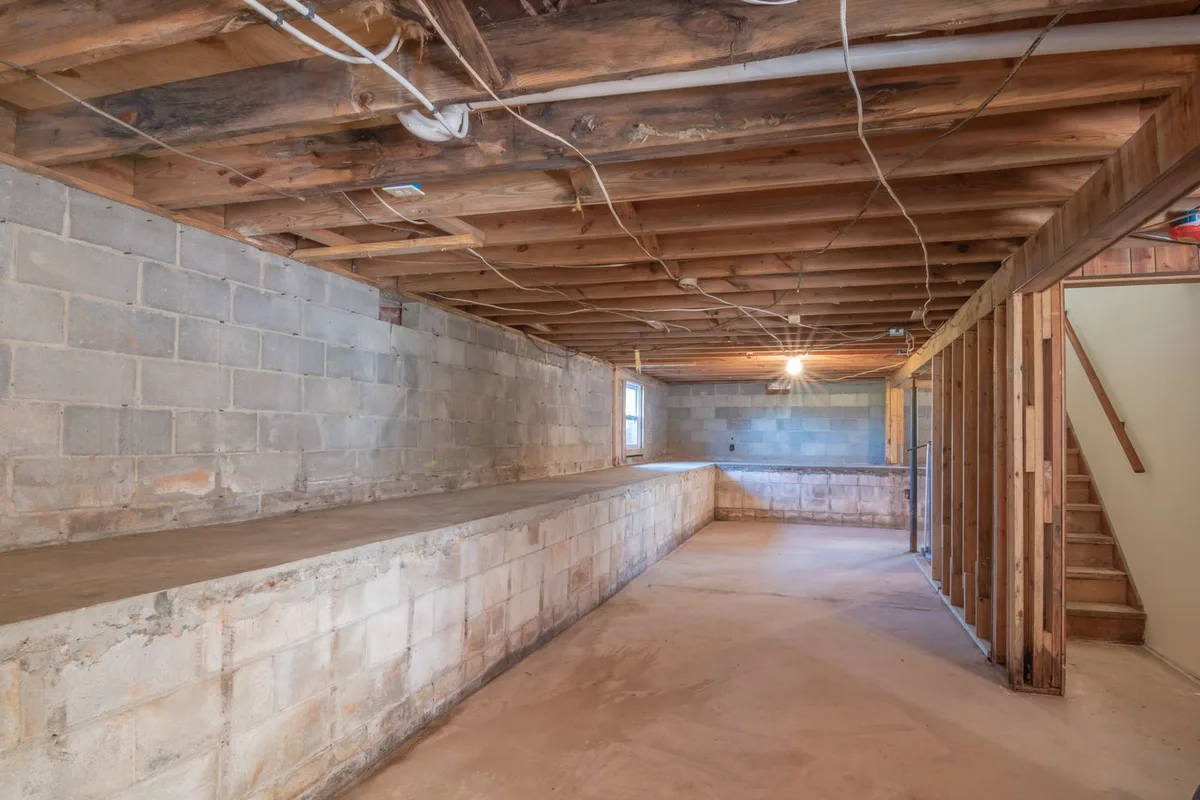
A sewage backup is the one household emergency nobody should wade into. Water that has come back through a floor drain, a toilet or a basement shower carries bacteria, viruses and parasites, and it is classed as the most contaminated category of water a home can hold. Sewage cleanup is the work of extracting it safely, removing the materials it has soaked, and disinfecting and drying the space so the room can be used again without carrying the event with it.
Anderson's pattern is written in its infrastructure. Older sewer laterals, tree roots in clay lines, and heavy rain on the White River watershed push backups into the low basements of the west side and the river-side neighborhoods, often through the floor drain nobody thought about in years. Because many Anderson basements are finished or used as living and storage space, the sewage rarely stays on concrete: it reaches carpet, drywall, paneling and everything stored along the walls, and each of those materials has its own answer in the scope.
The protocol is strict because the water demands it. The crew works in full protective equipment, extracts the standing water, and removes porous material the sewage touched, carpet and pad, the bottom of drywall where it wicked up, soft goods, since disinfection cannot be verified inside them. Hard surfaces are cleaned and disinfected, and the space is dried with readings, not guesswork, because a basement that feels dry can still hold moisture in the wall base where mold starts.
When the work is done, the basement is disinfected, dry and documented: what came out, what was treated, and the moisture readings at hand-back. If the backup came from a line problem rather than a storm, the professional will say so plainly, because cleaning the room without fixing the cause just books the same job twice.
Signs a Backup Needs Professional Cleanup
- Water has come up through a floor drain, toilet or basement shower
- Sewage or gray water has reached carpet, drywall or stored belongings
- A sewage smell persists in the basement after the water is gone
- More than one drain in the home is backing up at the same time
- Anyone in the home is pregnant, elderly or medically vulnerable
How Sewage Cleanup Runs
The crew suits up, contains the area and extracts standing water first. Contaminated porous material is removed and sealed for disposal; hard surfaces are cleaned and disinfected; and drying equipment runs until moisture readings in the floor and wall base say the structure is dry. The cause, storm surcharge, root-blocked lateral, failed fixture, is reported as part of the job file.
Anderson work follows the city's own pattern. The housing stock runs from century-old homes in the west side historic districts to post-war ranches, university-area rentals and farmhouses at the edges, and the older sewer lines near the White River add sewage events to the list. For sewage cleanup, that local pattern shapes the scope: older flooring and plaster hold contamination deeper, and rental turnovers set the schedule the work has to meet.
How the Work Runs
- 1
Protection and containment. The crew works in full protective equipment and keeps the area closed off.
- 2
Extraction. Standing sewage is pumped and vacuumed out before anything else happens.
- 3
Removal. Soaked carpet, pad, drywall base and soft goods are removed and sealed for disposal.
- 4
Disinfection and drying. Hard surfaces are disinfected; the structure is dried to verified readings.
- 5
Hand-back with the cause noted. The space is returned disinfected and dry, with the likely cause in the file.
On the visit, the professional confirms the area is safe to work in, checks the conditions found at assessment against what is actually there, and walks you through the scope before anything is cleaned or removed. For sewage cleanup, that means you know what will be treated, what will come out, and what the documentation will show before the work starts.
Household realities get planned around, not discovered mid-job. Tell the professional on the call about other people or pets in the home, a tenant still in part of the property, medications or papers you need retrieved, and any deadline, a closing, a new lease, an estate settlement, and the plan for the sewage cleanup work will reflect it.
What Sewage Cleanup Costs
Cost follows the area covered, the materials the sewage reached and the drying the structure needs. A small bathroom overflow caught early is a short job; a finished basement after a storm backup is a larger one. Sewer backup endorsements on homeowners policies often cover this work; the written scope and moisture readings are the documents the claim rests on.
What to Do Before the Crew Arrives
Keep everyone, especially children and pets, out of the affected area, and do not run a household wet vacuum in sewage: the machine becomes contaminated and spreads residue through its exhaust. Turn off the HVAC if the basement air is being pulled upstairs, note which drains backed up, and photograph the rooms from the doorway for your insurer.
Sewage Cleanup Questions
Is sewage in the basement really that dangerous?
Yes. Sewage carries bacteria and viruses that cause serious illness, and it soaks into materials where household cleaning cannot verify disinfection. That is why the standard for this work is protective equipment, removal of porous material, and disinfection, not a mop and a strong stomach.
Will the smell go away once the water is out?
Not by itself. The smell lives in the soaked materials and the residue left on surfaces. Removing what cannot be disinfected, treating what remains and drying the structure is what ends it. A basement that still smells is a basement that still holds contamination.
Does insurance cover a sewer backup?
Many policies carry a sewer backup endorsement that covers exactly this event, though limits vary. The professional's documentation, photographs, the removal inventory and moisture readings, is built to support that claim from the first visit.
Related Biohazard Cleanup Services
Questions about sewage cleanup for your property? Call +1 (844) 468-2611 and speak directly with an Anderson biohazard cleanup professional. For the federal standard behind the safety practices on this page, see the OSHA bloodborne pathogens standard.
Talk to an Anderson Biohazard Professional
Describe the situation and get the assessment booked, with the scope and price in writing before work starts.