
Biohazard Cleanup in Anderson, IN for Homes, Rentals and Businesses
Some situations should never be cleaned up by family, tenants or staff. White River Biohazard Pros introduces you to a local biohazard cleanup professional who handles the scene safely, quietly and in the right order: secure the area, remove the contamination, disinfect to standard, and hand the space back ready to use.
- Available 24/7
- Unmarked Vehicles
- OSHA Protocols
- Regulated Disposal
- Anderson, IN 46011 to 46017
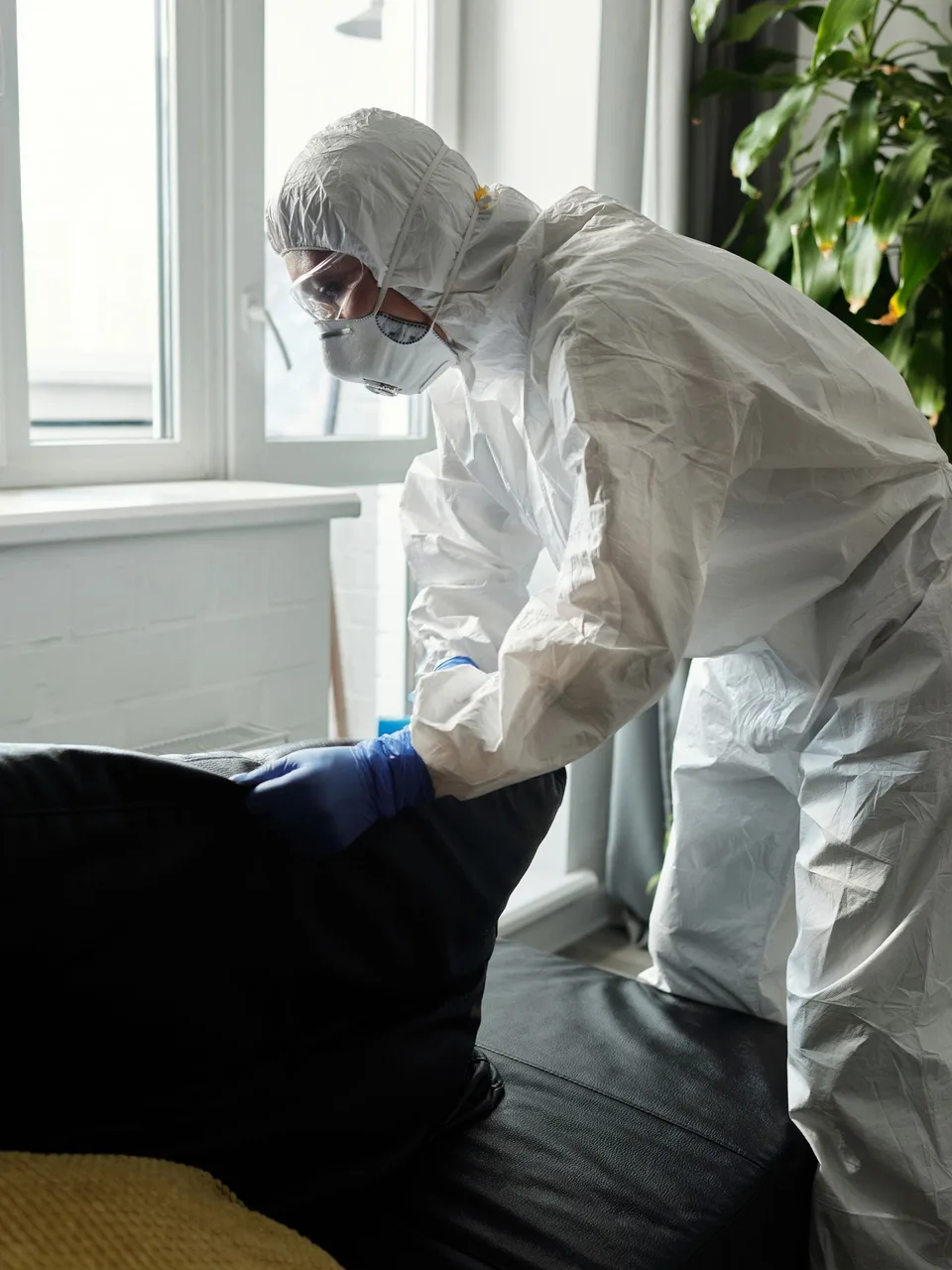
The First Hour
- 1Close Off the AreaKeep people and pets out of the affected rooms and leave everything exactly as it is
- 2Do Not Clean YetWiping, mopping or throwing things away spreads contamination and can damage an insurance record
- 3Make One CallOpen the conversation with the professional; officials, insurers and family can be handled in order after
Why Anderson Properties Face the Situations They Do
Anderson is a factory town that grew up around its plants and rail lines, and its housing carries that history. The historic districts on the west side hold homes built a century ago, with plaster walls, hardwood floors and layers of later additions. Around Anderson University and along Scatterfield Road the housing turns to rentals, duplexes and post-war ranches. Each kind of property produces its own version of the calls this service takes: a death discovered late in a quiet house, a hoarding situation a landlord finds at lease end, a sewage backup in an older basement near the White River.
The river itself is part of the pattern. Homes in the low ground near Shadyside and along the creeks that feed the White River sit on older sewer lines, and a heavy rain can push sewage back through a floor drain before anyone knows the line is struggling. Basements here are often finished or used for storage, so a backup is rarely a small event. Add an aging population living alone, a large stock of rental housing, and properties that stand empty between tenants, and the need for quiet, professional cleanup is steady rather than rare.
What every one of these situations shares is that the visible problem is only part of it. Blood and fluids soak into flooring and the pad beneath it. Odor works into plaster and soft furnishings. Bacteria and viruses stay active on surfaces long after a room looks clean. That is why the work follows a protocol instead of a mop: containment first, removal of contaminated material, disinfection with products held for their full contact time, and regulated disposal of everything that comes out.
Biohazard Cleanup Services in Anderson, IN
Ten services cover the situations Anderson households, landlords and businesses actually face. Every service page explains what the work involves, what drives its price, and how the space is handed back.
Unattended Death Cleanup
An unattended death is one of the hardest discoveries a family member, neighbor or landlord can make.
Suicide Cleanup
After a suicide, the family is left with grief, officials, arrangements and questions, and the room itself should not be one of the burdens.
Sewage Cleanup
A sewage backup is the one household emergency nobody should wade into.
Vehicle Biohazard Cleanup
A vehicle holds a biohazard event in a very small space.
Infectious Disease Disinfection
Some cleanups are about what is known to be present rather than what can be seen.
Odor Removal and Decontamination
Odor is the part of a biohazard event that outlives the event.
Commercial Biohazard Cleanup
When a biohazard event happens in a business, two clocks start at once.
How a Biohazard Cleanup Runs, Start to Finish
The order protects everyone: the people who live or work in the space, the crew doing the work, and the claim or record that follows the job.
- 1
Assessment and documentation. The professional walks the property, photographs the affected areas, and separates what is contaminated, what is stained or holding odor, and what is untouched, before anything is moved.
- 2
Containment and protection. The work area is closed off, the crew works in full protective equipment, and air and foot traffic are kept from carrying contamination into clean rooms.
- 3
Removal. Contaminated porous material, flooring, pad, soft goods that cannot be disinfected, is removed, bagged and sealed for regulated disposal.
- 4
Cleaning and disinfection. Remaining surfaces are cleaned, then disinfected with EPA-registered products held for their full label contact time, working from the affected area outward.
- 5
Odor treatment and hand-back. Odor is treated at its source in materials, the space is checked, and the room is returned with the documentation the job produced.
What Biohazard Cleanup Costs in Anderson
Honest pricing depends on the scene in front of the professional, not on a chart. The things that move the number are how large the affected area is, how far fluids have soaked into porous materials, how long the situation sat before it was found, and how much material has to come out and be disposed of as regulated waste. A single-room blood cleanup after a fall is one kind of job. A whole-home hoarding cleanup with biohazard conditions is another. Many of these events are covered by homeowners or landlord insurance, and the documentation built during the assessment is the record your insurer works from.
One more factor belongs in the cost picture: time. Every day a contaminated property sits, odours set deeper into porous materials, fluids travel further through flooring and subfloor, and the eventual scope grows. The fastest way to keep a job small is to start it while it is still small, which is why the assessment can usually happen quickly once the call is made. If cost is a worry, ask about sequencing: make the property safe and documented first, then decide with a written scope in front of you rather than a guess. A clear sequence beats a cheap promise every time.
| Situation | What drives the cost | Typical next step |
|---|---|---|
| Blood on flooring after a fall or injury | Area affected, depth into flooring and pad | Assessment, then a written removal and disinfection scope |
| A death discovered days later | Time elapsed, rooms and materials affected, odor load | Containment first, then removal and odor treatment |
| Hoarding with sanitation problems | Volume of material, presence of waste or sharps | Walk-through and a staged sorting and cleanup plan |
| Sewage backup in a basement | Area covered, materials soaked, drying needs | Extraction and removal, then disinfection and drying |
Where We Work in Anderson
The nine neighborhoods below cover the city from downtown to Chesterfield. Each area page covers the housing stock, the situations that come with it, and how the response runs there.
- Downtown AndersonZIP 46016
- Park PlaceZIP 46012
- West CentralZIP 46012
- West 8th StreetZIP 46011
- Mounds RoadZIP 46013
- Scatterfield RoadZIP 46013
- ShadysideZIP 46016
- EdgewoodZIP 46011
- ChesterfieldZIP 46017
What the First Visit Covers
The first visit is an assessment, not a sales call. The professional walks the affected area and the rooms around it, photographs and notes the contamination, checks how far fluids have travelled into flooring and walls, and identifies what can be disinfected in place and what has to come out. If the scene is still open to the rest of the house, a hallway, a shared stairwell, an adjoining rental unit, closing it off happens on that same visit wherever possible.
You leave the visit with the scope in writing: the areas to be treated, the materials to be removed, the disposal route, and the price. Nothing is removed or thrown away before it is documented, which protects a landlord's record, an estate's accounting and an insurance claim alike. If part of the property is unsafe to enter, you will hear that plainly, along with what making it safe takes.
Talk to an Anderson Biohazard Professional
Describe the situation plainly and get the assessment and containment booked on one call.
Straight Answers Before You Call
Two things are worth knowing before any cleanup starts. First, household bleach and a mop do not make a biohazard scene safe. Blood and bodily fluids can carry bloodborne pathogens, and the standard written for this work, the OSHA bloodborne pathogens standard, exists because wiping a surface clean and making it safe are different things. Second, do not throw contaminated items into household trash or a rental dumpster. Material from these scenes is regulated waste in Indiana, and it has to be bagged, labelled and disposed of through the proper route.
What you get on the call here is a direct conversation with the professional who would do the work: what they would secure first, what the likely scope is, and what the written estimate will cover. The crew arrives in unmarked vehicles, works without signage, and treats the situation as private. No pressure and no invented urgency.
- Available 24/7 for calls, including weekends
- Unmarked vehicles and no signage at the property
- Work run under OSHA bloodborne pathogen protocols
- Regulated waste bagged, sealed and disposed of properly
- Written scope after assessment, before work starts
Biohazard Questions Anderson Families Ask
Who is responsible for cleaning up after a death or crime at a property?
In Indiana, the property owner or the family is responsible for the cleanup once officials release the scene. Police, coroners and funeral homes do not clean properties. That is why services like this one exist: the scene is documented, the contamination is removed and disinfected to standard, and the space is handed back safe to enter, with the paperwork the family, landlord or insurer needs.
Will insurance cover biohazard cleanup?
Often, yes. Many homeowners and landlord policies cover cleanup after a death, an injury or a sewage backup, though the details are between you and your insurer. What the professional provides is the documentation insurers work from: photographs, an inventory of what was removed, and a written scope with the disposal record. Keep the claim number with the job file from the first call onward.
How discreet is the service, really?
The crew arrives in unmarked vehicles, wears no branded clothing at the property, and does not discuss the work with neighbors or passersby. Waste leaves in sealed, unmarked containers. Most neighbors never know more than that a property was cleaned, which is how it should be.
Facing a situation that should not be handled alone? Call and describe it plainly. You will reach the professional directly, and the first step is always an assessment, not a sales pitch.