
Odor Removal and Decontamination in Anderson, IN
Odor removal and decontamination in Anderson, IN: death, sewage and hoarding odors removed at the source in materials, not masked.
Call +1 (844) 468-2611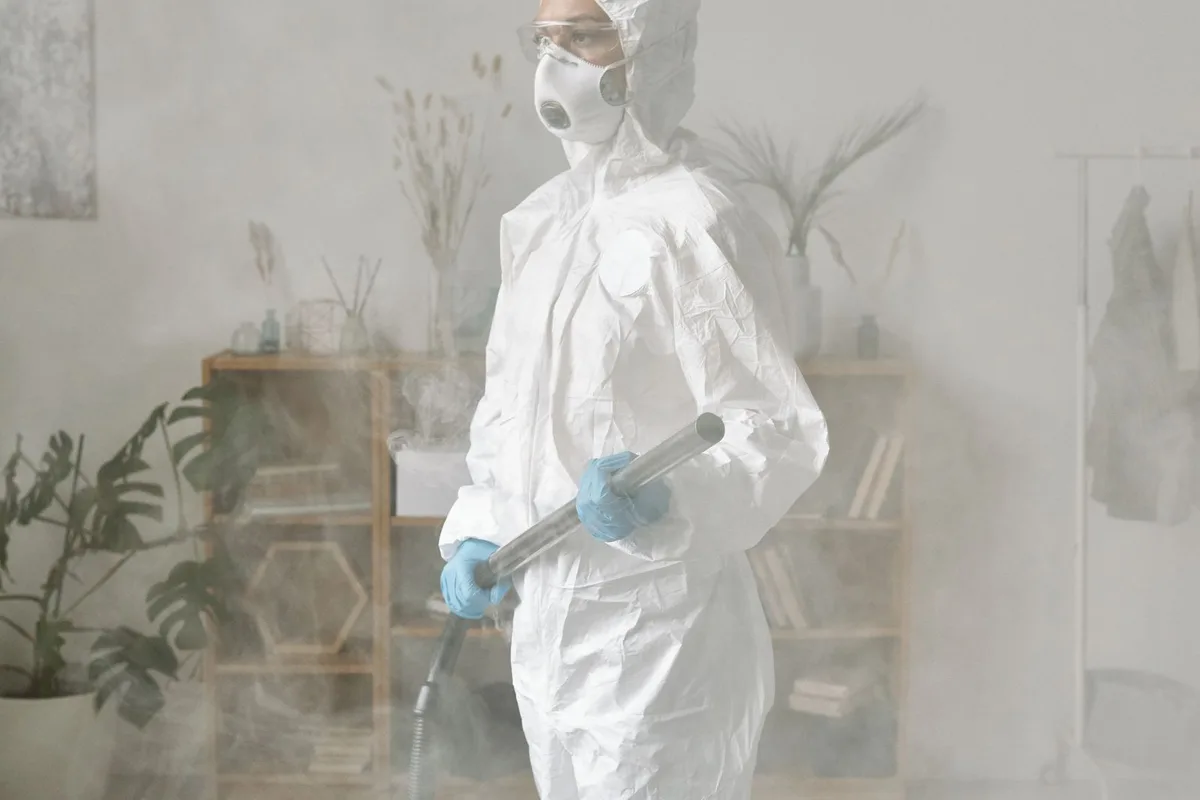
Odor is the part of a biohazard event that outlives the event. Long after a room has been emptied and wiped down, the smell returns on the first warm day, because it was never in the air: it is in the flooring, the plaster, the soft furnishings and the dust in the ductwork. Odor removal and decontamination is the work of finding where the odor actually lives and treating it there, so a home or rental can be lived in, sold or re-let without the past announcing itself at the door.
The sources differ by event. After a death, odor sits in the materials that absorbed fluids and in everything porous in the room. After sewage, it sits in the wall base and the subfloor. In hoarding homes it is layered: waste, moisture and years of closed air worked into every soft surface. The assessment identifies which sources your property holds, because the treatments differ and a treatment aimed at the wrong source is money spent on a smell that stays.
Treatment works in order. Contaminated material that cannot be decontaminated comes out first. Surfaces that remain are cleaned and disinfected, then treated with odor-neutralizing processes matched to the source, and sealed where the odor has penetrated material that stays, such as subfloor or framing. The air system is addressed where it has been distributing the smell. Anderson's older homes, with their plaster, hardwood and long duct runs, reward this thoroughness and punish shortcuts, because they hold odor in more places than newer construction does.
The test at the end is the honest one: the property is closed up, then entered fresh, the way a buyer, a tenant or a returning family member will experience it. Odor that survives that test gets more work while the crew is there, not a promise that it will fade. When the job is done, the documentation records the sources found and the treatments used.
Signs Odor Needs Source Treatment
- A death, sewage or hoarding smell survives ordinary cleaning
- The odor returns when the home warms up or the heat runs
- A rental or sale is failing because of how the property smells
- The smell is strongest in one room but present through the home
- Previous treatments, paint, sprays, machines, worked for a week and failed
How Odor Removal Runs
The assessment maps the odor sources by material, not just by room. Material that cannot be decontaminated is removed; what stays is cleaned, disinfected and treated with source-matched neutralizing processes, and sealed where penetration is deep. The ductwork is treated where it carries the smell, and the property passes a closed-house check before the job is called done.
Anderson work follows the city's own pattern. The housing stock runs from century-old homes in the west side historic districts to post-war ranches, university-area rentals and farmhouses at the edges, and the older sewer lines near the White River add sewage events to the list. For odor removal and decontamination, that local pattern shapes the scope: older flooring and plaster hold contamination deeper, and rental turnovers set the schedule the work has to meet.
How the Work Runs
- 1
Source mapping. Odor is traced to the materials holding it, room by room.
- 2
Removal. Material that cannot be decontaminated is removed and disposed of properly.
- 3
Treatment. Remaining surfaces are cleaned, disinfected and treated with source-matched processes.
- 4
Sealing and air system. Deep-penetrated material is sealed; ductwork is treated where needed.
- 5
Closed-house check. The property is closed, then re-entered and checked before hand-back.
On the visit, the professional confirms the area is safe to work in, checks the conditions found at assessment against what is actually there, and walks you through the scope before anything is cleaned or removed. For odor removal and decontamination, that means you know what will be treated, what will come out, and what the documentation will show before the work starts.
Household realities get planned around, not discovered mid-job. Tell the professional on the call about other people or pets in the home, a tenant still in part of the property, medications or papers you need retrieved, and any deadline, a closing, a new lease, an estate settlement, and the plan for the odor removal and decontamination work will reflect it.
What Odor Removal Costs
Cost follows the sources, not the square footage: odor in one room's flooring is a small job, odor through a whole home's soft materials and ductwork is a larger one. Failed earlier treatments add a step, since masking products sometimes have to come off before real treatment starts. The assessment produces the written scope and price, with the sources itemized.
What to Do Before the Assessment
Do not paint, fog or run an ozone machine before the assessment: sealers and masking treatments can lock odor in or hide the sources the professional needs to find. Keep the property closed up for a day before the visit if you can, so the odor shows itself honestly, and note when the smell is strongest and where you notice it first.
Odor Removal and Decontamination Questions
Why did the smell come back after cleaning?
Because cleaning treated the air and the visible surfaces while the source stayed in the materials: flooring, plaster, soft goods or ductwork. Odor releases when those materials warm or take on humidity, which is why it returns on warm days and when the heat runs. Source treatment is the fix.
Can odor always be removed completely?
In nearly every case, yes, provided the sources can be reached: removed, treated or sealed. The rare exception is material that cannot be accessed without demolition, and the assessment will name that plainly, with the options priced, rather than promising what a treatment cannot do.
Is this service only after a death?
No. Death odor is the most common call, but the same source-based work handles sewage odor, hoarding odor, and the smell left by long vacancy or animal waste in a property. If a property smells of its past, this is the service that ends it.
Related Biohazard Cleanup Services
Questions about odor removal and decontamination for your property? Call +1 (844) 468-2611 and speak directly with an Anderson biohazard cleanup professional. For the federal standard behind the safety practices on this page, see the OSHA bloodborne pathogens standard.
Talk to an Anderson Biohazard Professional
Describe the situation and get the assessment booked, with the scope and price in writing before work starts.