
Hoarding Cleanup in Anderson: How to Help Without Making It Worse
Hoarding cleanup in Anderson, IN: how families can help a person whose home has filled up, what a respectful cleanup looks like, and when to bring in professionals.
Call +1 (844) 468-2611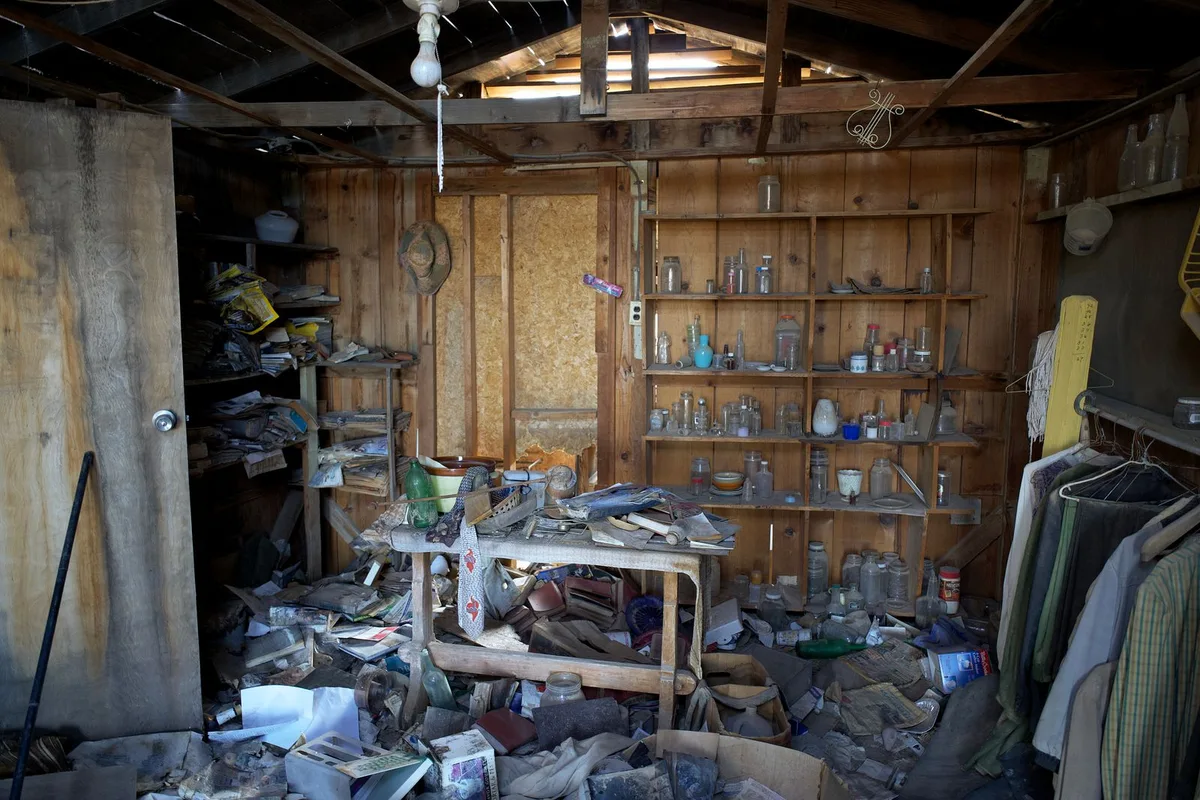
Start with the person, not the house
Every failed hoarding cleanup begins the same way: a family rents a dumpster, arrives on a Saturday, and starts throwing away the belongings of a person who experiences each bag as a loss. The house gets emptier for a day and the person gets worse for a year, and the filling starts again within months, now with secrecy added. Hoarding is not a housekeeping failure; it is a pattern with fear and attachment underneath it, and any plan that ignores the person will be undone by the person. The house is the second conversation. The first is about trust.
What help that works actually looks like
The cleanups that hold share a shape. The person whose home it is agrees to the goal, usually framed around safety rather than tidiness: clear paths, a working stove, a bathroom that can be used, heat that can be serviced. Sorting rules are agreed before anything moves, and the person's decisions lead wherever safety allows. Progress is measured in rooms returned to use, not in dumpsters filled. It is slower than a blitz and it lasts, which is the trade that matters.
The safety layer families underestimate
Under the visible accumulation there is often a second story: spoiled food and waste, sharps, animal problems, moisture and mold where plumbing failed quietly, floors carrying weight they were not built for. This is the layer that turns a family project into a health risk, and it is the reason professional hoarding services work in protective equipment and treat the job as sanitation work, not hauling. If a home has any of these, the sorting plan has to include the protocol for them from the first room, not discover it in the fourth.
Landlords and the city process
In Anderson, hoarding cases often arrive through a landlord or a complaint rather than a family. The obligations differ: a landlord recovering a unit needs documentation, an inventory of what was removed and its condition, and a disinfected unit that can be re-let defensibly. A homeowner under city pressure needs the safety items corrected and recorded. Both are served by the same room-by-room method, with the file built for whoever will read it: an insurer, a court, a housing inspector or the next tenant.
What to keep, and who decides
The sorting categories that work are simple: keep, donate, recycle, discard, and the discipline is in honoring them. Documents, photographs and anything with legal or sentimental weight are pulled early and set aside safely, because losing them is the harm families most regret. Genuine waste and material contaminated beyond safe handling are the only categories where the professional's judgment overrides, and even those are recorded. A person who watches their decisions respected in the small things will trust the process with the large ones.
How long it takes, and what it costs
A single room can take a day. A whole home with heavy accumulation can take the better part of a week, and the honest timeline comes from a walk-through, not a phone estimate. Cost follows the volume, the number of rooms and how much of the work is sanitation rather than sorting. A staged scope, the essential rooms first, lets a family start with real numbers and decide about the rest with the hardest part already done. What no one should accept is a flat price for a home nobody has walked through.
After the cleanup: keeping it true
The cleanup is the middle of the story, not the end. Homes stay clear when the person has support that continues: family who visit the home rather than only the person, services fixed and working, and a simple agreement about what happens when accumulation starts again, made while everyone is calm. The goal was never an empty house. It was a safe one that its owner can live in, receive help in, and be visited in without shame.
When to make the call
Bring in a professional when any of these are true: waste, sharps or plumbing failure are part of the picture; the home must be documented for a landlord, an estate or the city; the person's health makes family-led sorting unsafe; or a previous attempt ended in a rupture the family does not want to repeat. The first conversation costs nothing and commits nobody. It should leave you with a plan shaped around the person, a staged scope in writing, and a pace the household can actually live with.
A note on belongings, papers and photographs
One practical detail deserves its own paragraph: important papers and photographs are almost never where anyone expects them. Deeds, insurance documents, family photos and keepsakes turn up inside stacks that look like pure clutter, which is why sorting happens before anything leaves the house and why the resident, or the family, reviews anything doubtful. Ask the professional how finds are set aside and who makes the final call on them. A careful answer to that question tells you most of what you need to know about the crew.
In the Middle of a Situation Now?
Call and speak directly with a local biohazard cleanup professional. The first visit covers assessment and containment, and the scope is in writing before work starts.